Dysbiosis: Causes, Effects, and Treatment Approaches
By Gut Flora Atlas Editorial team
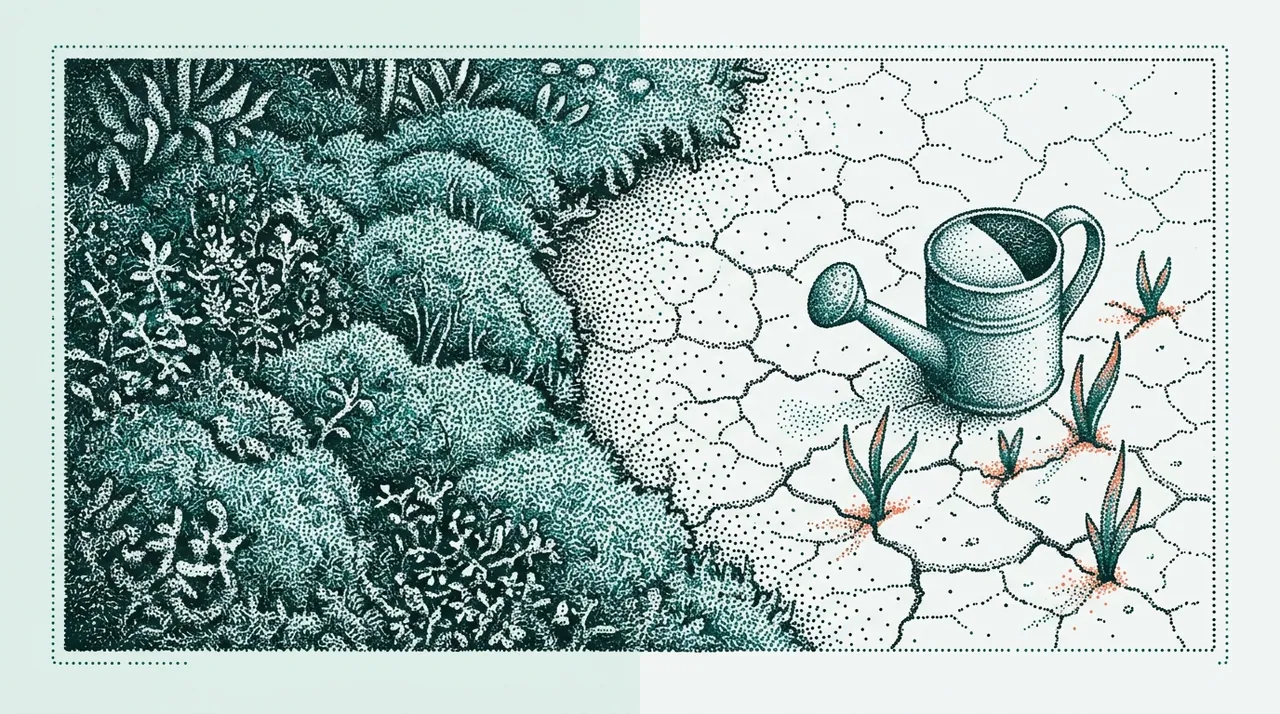
Dysbiosis refers to an imbalance in the composition and function of the microbial communities inhabiting the human gut. The human microbiome, comprising trillions of microorganisms, plays a fundamental role in digestion, immune function, and metabolic processes. When the delicate equilibrium of these microbial populations is disrupted, dysbiosis occurs, potentially contributing to various gastrointestinal and systemic health conditions. Understanding the underlying causes, recognizing the effects, and exploring evidence-based treatment approaches is essential for researchers and healthcare professionals seeking to support microbiome health.
Scientific Background
The human gut microbiota consists primarily of bacteria, with smaller populations of archaea, fungi, and viruses. A healthy microbiome is characterized by high microbial diversity, functional redundancy, and stable community structure. The dominant bacterial phyla in a healthy gut include Firmicutes and Bacteroidetes, which together comprise approximately 90% of the bacterial population. The microbiome develops during infancy and early childhood, influenced by factors such as delivery method, feeding practices, and environmental exposures.
Dysbiosis is not a single pathological state but rather a spectrum of microbial imbalances. Research has identified several dysbiotic patterns, including reduced alpha diversity (decreased number of different species), altered ratios between major phyla, loss of beneficial commensals, and overgrowth of pathogenic or opportunistic organisms. Metagenomic and 16S ribosomal RNA sequencing technologies have enabled researchers to characterize dysbiotic states with unprecedented precision, revealing associations between specific dysbiotic profiles and various clinical conditions.
Causes and Contributing Factors
Dysbiosis results from multiple interconnected factors that disrupt the microbiota's stability and resilience. Antibiotic use represents one of the most significant and well-documented causes. While antibiotics are essential for treating bacterial infections, they indiscriminately eliminate both pathogenic and commensal microorganisms, often resulting in profound microbiota disruption. The extent and duration of dysbiosis following antibiotic exposure depends on the specific antibiotic class, duration of treatment, and individual factors.
Dietary composition significantly influences microbiota structure and function. Diets high in ultra-processed foods, refined sugars, and low in fiber typically correlate with reduced microbial diversity and altered community composition. Conversely, diets rich in plant-derived polysaccharides, whole grains, and fermented foods generally support diverse and stable microbiota. The Western dietary pattern has been consistently associated with dysbiotic profiles characterized by reduced Faecalibacterium prausnitzii and increased proteobacteria.
Additional factors contributing to dysbiosis include chronic stress, inadequate sleep, sedentary lifestyle, infections with pathogenic organisms, excessive alcohol consumption, and prolonged use of medications such as proton pump inhibitors. Environmental factors, including exposure to pollutants and pesticides, may also influence microbiota composition. The interplay between these factors means that dysbiosis often results from cumulative effects rather than a single causative agent.
Effects and Clinical Implications
Dysbiosis has been associated with numerous gastrointestinal symptoms and systemic conditions. Gastrointestinal manifestations include altered bowel habits, bloating, abdominal discomfort, and irregular stool consistency. Beyond the gut, dysbiosis may influence immune function, as approximately 70% of immune tissue resides in the gut-associated lymphoid tissue. Dysbiotic states have been linked to increased intestinal permeability, altered production of short-chain fatty acids, and modified immune signaling.
Research has identified associations between dysbiosis and various conditions including irritable bowel syndrome, inflammatory bowel disease, metabolic syndrome, obesity, and neurological conditions. However, it is important to note that association does not establish causation, and dysbiosis may represent a consequence rather than a cause in some cases. The microbiota-gut-brain axis represents an area of active research, with emerging evidence suggesting bidirectional communication between gut microbiota composition and neurological function.
Evidence-Based Treatment Approaches
Addressing dysbiosis typically involves multifaceted interventions targeting underlying causes. Dietary modification represents a primary intervention, with emphasis on increasing fiber intake, consuming diverse plant-based foods, and reducing processed food consumption. Personalized dietary approaches, guided by microbiota analysis, may optimize outcomes by targeting specific dysbiotic patterns.
Probiotic supplementation involves introducing specific bacterial strains, though evidence for efficacy varies depending on the strain, dosage, and individual characteristics. Prebiotic compounds, which selectively promote the growth of beneficial microorganisms, represent an alternative approach. Postbiotics, including metabolites produced by beneficial bacteria, are emerging as an additional therapeutic avenue.
Lifestyle modifications including stress reduction, regular physical activity, adequate sleep, and limiting alcohol consumption support microbiota recovery. When dysbiosis results from specific infections, targeted antimicrobial therapy may be appropriate. Fecal microbiota transplantation represents a specialized intervention for recurrent Clostridioides difficile infection and is being investigated for other conditions.
Conclusion
Dysbiosis represents a significant disruption of the gut microbiota with potential implications for gastrointestinal and systemic health. Multiple causative factors, including antibiotics, diet, and lifestyle factors, contribute to dysbiotic states. Treatment approaches emphasize dietary modification, lifestyle optimization, and targeted interventions based on individual dysbiotic profiles. As microbiome research continues to advance, personalized approaches to dysbiosis management based on comprehensive microbiota analysis may offer increasingly precise therapeutic strategies.
This article is for general information and does not replace professional advice, diagnosis or treatment.