Bile Acid Metabolism by Gut Microorganisms
By Gut Flora Atlas Editorial team
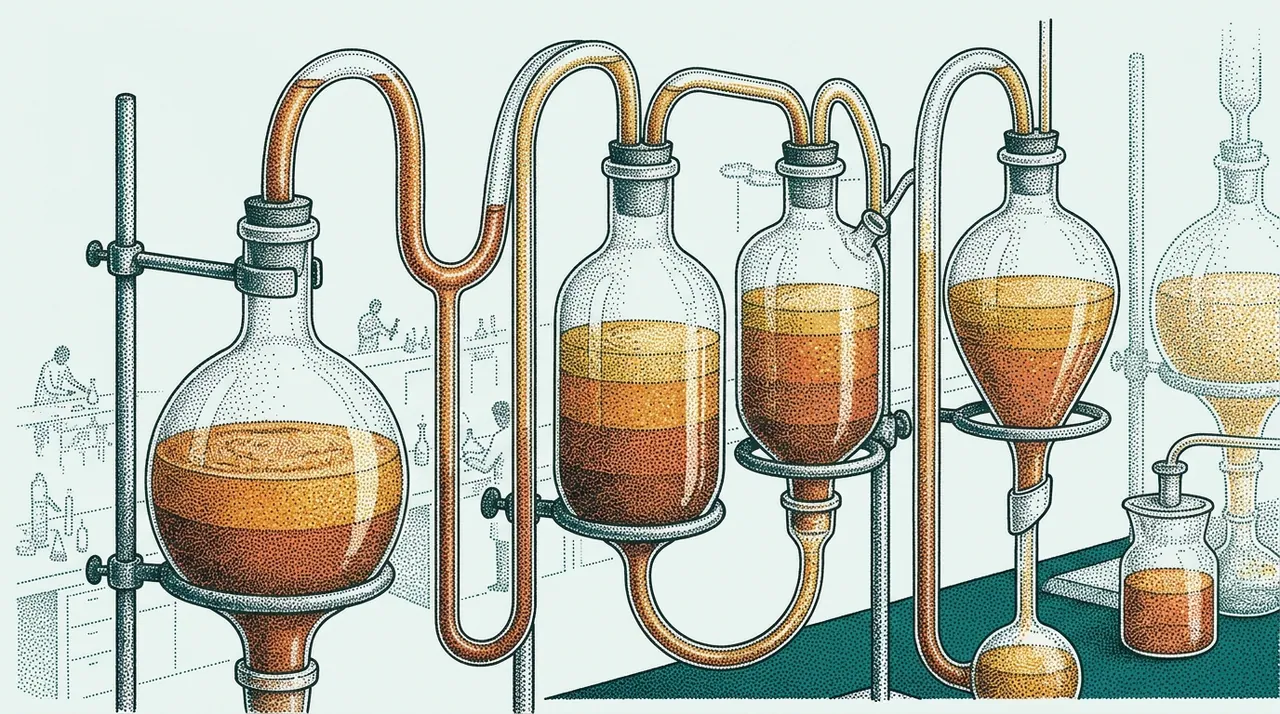
Bile acids represent one of the most significant metabolic substrates processed by the human gut microbiota. These steroid compounds, synthesized in the liver and stored in the gallbladder, play a crucial role not only in lipid digestion and absorption but also in complex signaling pathways that influence host metabolism and immune function. The bacterial transformation of primary bile acids into secondary bile acids represents a fascinating example of host-microbe co-metabolism, with profound implications for understanding microbiome diversity and human health. This article examines the mechanisms, significance, and factors influencing bile acid metabolism within the gut ecosystem.
Scientific Background
Bile acids are amphipathic molecules derived from cholesterol through a series of enzymatic reactions in hepatocytes. The human liver produces approximately 400 to 800 milligrams of bile acids daily, which are secreted into the duodenum to facilitate fat solubilization and absorption. Primary bile acids, cholic acid and chenodeoxycholic acid, constitute the major bile acid species entering the intestinal lumen. However, the gut microbiota possesses enzymatic machinery capable of performing transformations that the human host cannot execute independently. Specifically, bacterial bile salt hydrolase (BSH) enzymes catalyze the deconjugation of glycine and taurine-conjugated bile acids, liberating free bile acids. Subsequently, bacterial 7-alpha-dehydroxylase enzymes convert primary bile acids into secondary bile acids, namely deoxycholic acid and lithocholic acid. These transformations represent a key example of how microbial metabolism extends and modulates the biochemical repertoire available to the host.
The capacity to perform bile acid metabolism is not uniformly distributed across bacterial taxa. Firmicutes and Bacteroidetes, the dominant phyla in the adult human gut, demonstrate variable abilities to metabolize bile acids. Clostridium clusters XIVa and IV contain numerous species capable of secondary bile acid production, while Bacteroides species frequently express BSH activity. This metabolic specialization contributes substantially to microbiome diversity and functional redundancy within the ecosystem. Understanding these bacterial capabilities provides insight into how geographical differences in human gut microbiota may influence regional patterns of bile acid metabolism and associated health outcomes.
Mechanisms and Bacterial Enzymes Involved
Bile acid metabolism by gut microorganisms occurs through sequential enzymatic steps. The initial deconjugation phase requires BSH activity, which cleaves the amide bond linking bile acids to amino acids. This step is essential because conjugated bile acids are less efficiently reabsorbed in the terminal ileum and therefore remain available for bacterial metabolism. Following deconjugation, free bile acids become substrates for 7-alpha-dehydroxylase, an oxygen-sensitive enzyme that removes the hydroxyl group at the 7-alpha position, generating secondary bile acids with altered physicochemical properties and biological activities.
The regulation of bile acid metabolism appears responsive to various factors including oxygen availability, substrate concentration, and the presence of competing bacterial populations. Anaerobic conditions generally favor secondary bile acid production, reflecting the oxygen sensitivity of key enzymatic steps. Additionally, the composition of the microbial community influences overall metabolic capacity, as different bacterial species contribute distinct enzymatic profiles. Notably, disturbances in microbiota composition can substantially alter the rate and extent of bile acid metabolism, with potential consequences for lipid absorption, cholesterol homeostasis, and metabolic signaling. This connection between microbial composition and metabolic function underscores the importance of understanding how the microbiome's influence on drug metabolism extends to endogenous compound metabolism as well.
Physiological Significance and Host-Microbe Interactions
Secondary bile acids generated through microbial metabolism function as signaling molecules that activate farnesoid X receptor (FXR) and G-protein-coupled bile acid receptor 1 (TGR5) on host intestinal epithelial cells and immune cells. These receptor-mediated interactions influence intestinal barrier function, glucose metabolism, lipid homeostasis, and immune tolerance. The production of secondary bile acids thus represents a mechanism through which microbiota composition directly impacts host physiology beyond simple nutrient processing.
Alterations in bile acid metabolism have been documented in various disease states, including obesity, type 2 diabetes mellitus, and inflammatory bowel disease. These associations suggest that impaired bacterial bile acid metabolism may contribute to pathophysiological processes. Furthermore, the microbial metabolism of bile acids influences the availability of these compounds for enterohepatic circulation, affecting cholesterol homeostasis and lipid absorption efficiency. The complexity of these interactions demonstrates that microbiota function must be considered alongside composition when evaluating microbiome health status. Research examining maternal microbiota transmission and infant development indicates that early microbial colonization patterns may establish baseline bile acid metabolic capacity that influences metabolic trajectory throughout life.
Bile acid metabolism by gut microorganisms represents a sophisticated example of host-microbe metabolic cooperation with far-reaching physiological consequences. The bacterial capacity to transform primary bile acids into secondary bile acids extends the metabolic capabilities of the host and generates signaling molecules that influence multiple aspects of health and disease. Future research examining the regulation of bacterial bile acid metabolism and its relationship to microbiome diversity may yield valuable insights for understanding microbiota function in health and disease states.
This article is for general information and does not replace professional advice, diagnosis or treatment.