Fecal Microbiota Transplantation: Current Research and Outcomes
By Gut Flora Atlas Editorial team
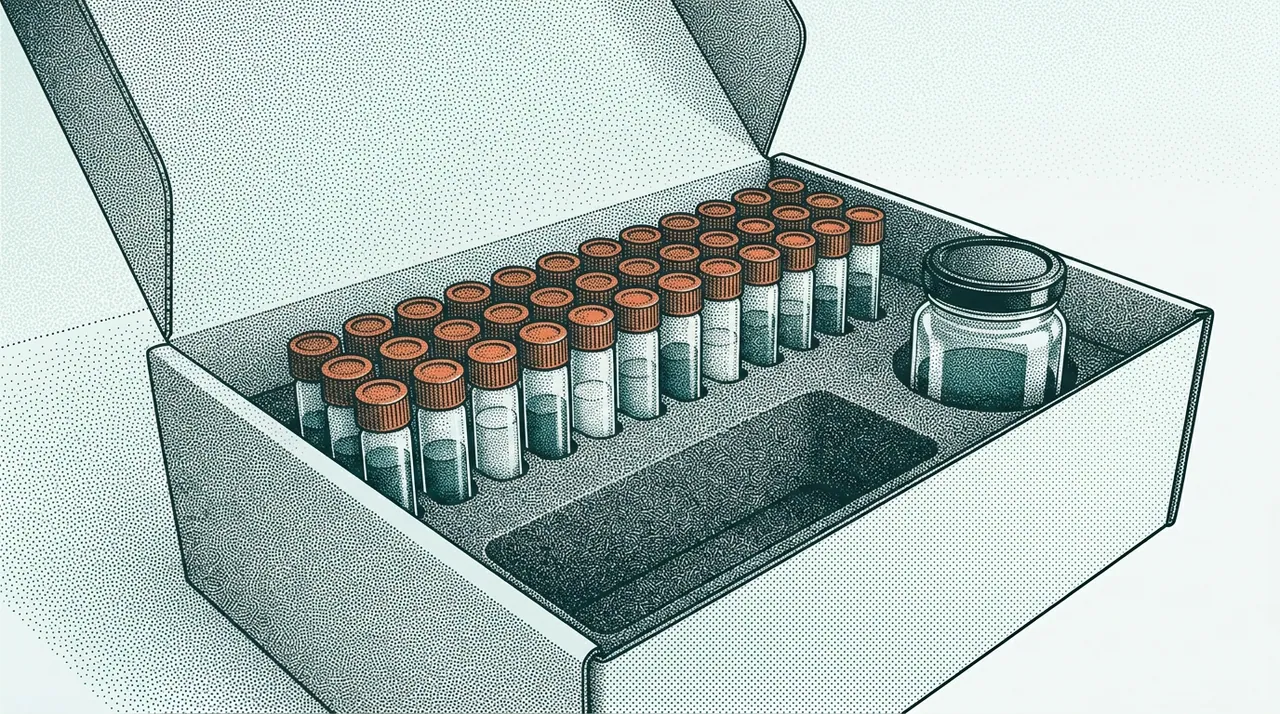
Fecal microbiota transplantation (FMT) represents one of the most direct therapeutic interventions in microbiome medicine, involving the transfer of fecal material from a healthy donor to a recipient's gastrointestinal tract. Over the past two decades, FMT has evolved from an experimental procedure to an established clinical treatment, particularly for recurrent Clostridioides difficile infection. However, research continues to expand the understanding of FMT's mechanisms, efficacy, and potential applications across various gastrointestinal and systemic conditions. This article examines current research findings, clinical outcomes, and the scientific rationale underlying fecal microbiota transplantation.
Scientific Background
The scientific foundation of FMT rests on the principle that restoring microbial diversity and community structure can reverse pathological states associated with dysbiosis. The human gut microbiota comprises thousands of bacterial species that maintain homeostasis through complex metabolic and immunological interactions. When this ecosystem becomes disrupted, whether through antibiotic exposure, infection, or other factors, pathogenic organisms may proliferate unchecked. Dysbiosis represents a state of microbial imbalance that can contribute to various health complications, making restoration of normal microbial composition a logical therapeutic target.
FMT operates on the hypothesis that introducing a complex, diverse microbial community from a healthy individual can outcompete pathogenic species and restore ecological balance. The procedure transfers not only bacterial cells but also bacteriophages, fungi, and other microorganisms, along with their metabolic byproducts and genetic material. Research into microbial diversity metrics provides quantitative frameworks for assessing whether transplanted communities establish appropriate ecological complexity. Understanding these metrics helps researchers evaluate whether FMT successfully reconstitutes a functional microbiota.
Clinical Efficacy and Current Applications
Clostridioides difficile infection (CDI) remains the most well-established indication for FMT, with success rates ranging from 85 to 95 percent in treating recurrent infections. The procedure has demonstrated superior efficacy compared to standard antibiotic regimens, particularly in cases of multiply recurrent CDI. This success has prompted investigation into FMT's potential for other conditions characterized by microbial dysbiosis.
Emerging research has explored FMT applications in inflammatory bowel disease, though outcomes remain variable and less conclusive than for CDI. Studies examining ulcerative colitis and Crohn's disease show modest benefits in some patient populations, suggesting that microbial restoration may contribute to disease management in certain contexts. Additionally, researchers have investigated FMT's role in metabolic conditions, recognizing that the microbiome plays a significant role in metabolic syndrome and related disorders.
Beyond gastrointestinal applications, preliminary research has examined FMT's potential effects on systemic conditions linked to microbiota composition. Studies investigating connections between gut dysbiosis and conditions affecting distant organ systems have prompted controlled trials, though many remain in early phases. Researchers continue to explore whether the gut-brain axis and microbiome communication pathways might be therapeutically modulated through FMT in certain neurological contexts.
Research Challenges and Future Directions
Despite FMT's clinical promise, significant research questions remain. Standardization of donor screening, preparation protocols, and delivery methods continues to evolve. Current evidence suggests that donor microbiota composition, recipient characteristics, and procedural variables all influence outcomes, yet optimal parameters remain incompletely defined. Additionally, concerns regarding antibiotic resistance in commensal gut bacteria have prompted researchers to develop screening protocols for donor selection, ensuring that transplanted communities do not introduce resistant pathogens.
Long-term follow-up studies indicate that transplanted microbiota may not always establish permanently, with some recipients experiencing gradual reversion toward pre-transplant composition. This observation has prompted investigation into factors supporting microbial engraftment and persistence. Research comparing FMT with alternative microbiota-modulating approaches, such as probiotics versus prebiotics and their differential mechanisms of action, continues to clarify which interventions prove most effective for specific clinical scenarios.
Emerging research has also examined seasonal and temporal factors affecting microbiota composition, recognizing that seasonal variations in human gut microbiota composition may influence both donor suitability and recipient response to transplantation. Furthermore, investigations into specific bacterial taxa, including Lactobacillus species and their classification and health implications, continue to elucidate which microbial constituents contribute most significantly to therapeutic benefit.
Conclusion
Fecal microbiota transplantation has established itself as a clinically validated intervention for recurrent Clostridioides difficile infection, with success rates substantially exceeding conventional treatments. Ongoing research continues to refine procedural protocols, expand understanding of mechanisms underlying FMT efficacy, and investigate applications across additional disease contexts. While current evidence supports FMT's role in specific clinical scenarios, heterogeneous outcomes in other conditions underscore the complexity of microbiota-mediated disease processes. Future research directions encompassing standardized protocols, long-term outcome assessment, and mechanistic investigation promise to clarify FMT's optimal applications and inform development of complementary microbiota-directed therapeutics.
This article is for general information and does not replace professional advice, diagnosis or treatment.