Microbial Diversity in Hunter-Gatherer Populations
By Gut Flora Atlas Editorial team
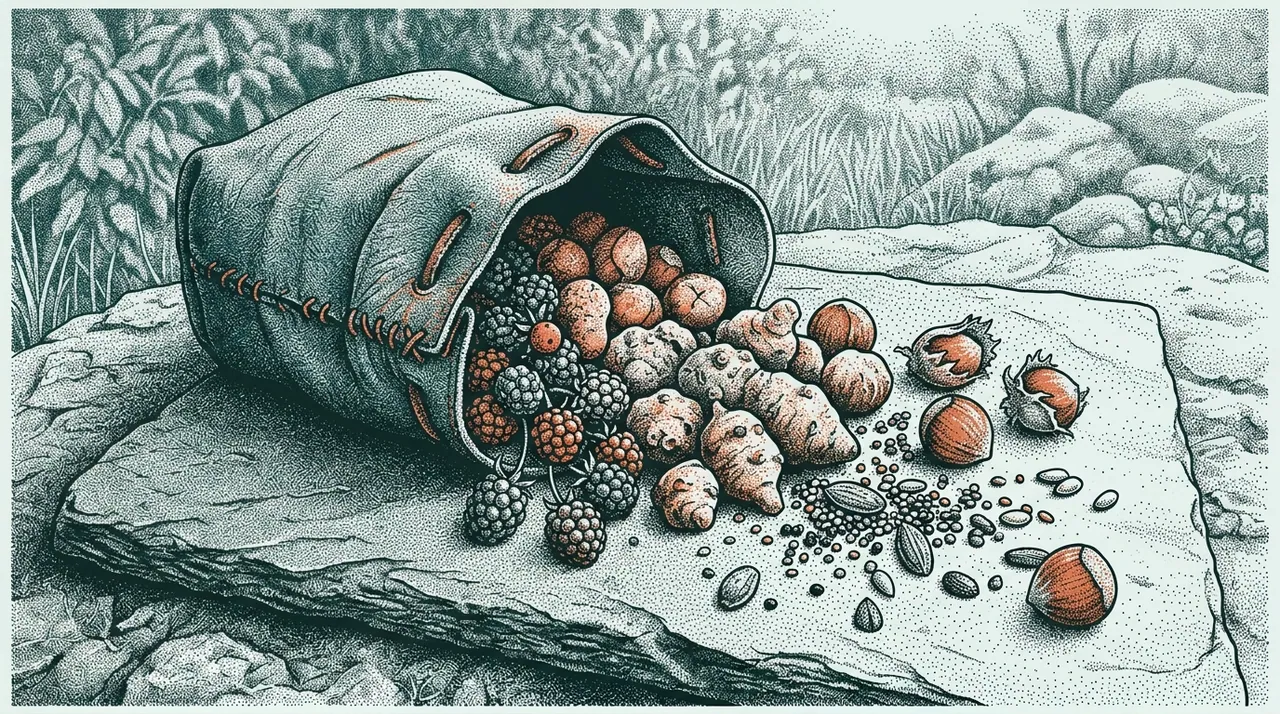
The human gut microbiome represents one of the most complex ecosystems within our bodies, yet our understanding of its natural state remains incomplete. Contemporary research increasingly focuses on hunter-gatherer populations as a reference point for understanding ancestral microbial diversity. These populations, who maintain traditional subsistence practices with minimal industrialization, offer valuable insights into how human gut microbial communities functioned before the widespread adoption of agriculture, processed foods, and modern pharmaceuticals. Examining microbial diversity in these groups provides crucial context for interpreting microbiome data across different populations and understanding the factors that shape bacterial composition.
Scientific Background
The study of hunter-gatherer microbiomes emerged as a distinct research area in the early 2010s, when molecular sequencing technologies became sufficiently advanced to comprehensively analyze microbial communities from diverse human populations. Pioneering studies examined fecal samples from groups including the Hadza of Tanzania, the Yanomami of the Amazon, and various other populations maintaining traditional lifestyles. These investigations revealed substantially higher microbial richness, measured as the number of distinct bacterial species present, compared to industrialized Western populations. The alpha diversity (within-sample diversity) of hunter-gatherer microbiomes typically exceeds that of Western individuals by approximately 40 to 50 percent, though this metric varies considerably based on seasonal factors, dietary availability, and specific geographic location.
The mechanistic basis for this elevated diversity relates directly to dietary composition and environmental exposure. Hunter-gatherer diets typically contain substantially higher quantities of dietary fiber from wild plant sources, including roots, tubers, fruits, and leafy vegetables. These complex carbohydrates serve as substrates for diverse bacterial populations, particularly obligate anaerobes that thrive in the colon environment. Research on anaerobic metabolism in the colon environment demonstrates that fermentation of diverse plant polysaccharides supports distinct microbial metabolic pathways, each requiring specific enzymatic capabilities. Additionally, reduced exposure to broad-spectrum antibiotics and processed foods in traditional populations permits the persistence of bacterial lineages that typically disappear in industrialized settings.
Compositional Characteristics and Functional Implications
Hunter-gatherer microbiomes demonstrate distinct compositional patterns compared to Western populations. The Firmicutes to Bacteroidetes ratio, a commonly reported metric, typically remains more balanced in traditional populations, whereas Western microbiomes often show Firmicutes dominance. Furthermore, genera including Prevotella, Treponema, and various Clostridium clusters remain prevalent in hunter-gatherer populations but are substantially reduced or absent in industrialized groups. These organisms possess specialized carbohydrate-degrading enzymes suited to processing plant structural polysaccharides.
The functional implications of this compositional diversity extend to multiple metabolic pathways. Enhanced microbial diversity correlates with increased production of short-chain fatty acids, particularly butyrate, through fermentation of resistant starch and other complex carbohydrates. This metabolic output influences intestinal barrier function, immune system development, and systemic metabolic health. Interestingly, research examining the microbiome and cardiovascular disease risk has identified associations between reduced microbial diversity and unfavorable lipid profiles, suggesting that ancestral microbiota composition may relate to metabolic outcomes observed in modern populations.
Seasonal variation in hunter-gatherer microbiota represents another important distinction from Western populations. Traditional populations experience pronounced shifts in microbial composition corresponding to seasonal dietary changes, as different plant resources become available throughout the year. This microbiota stability and resistance to perturbations demonstrates both flexibility and resilience, characteristics that may reflect evolutionary adaptation to variable resource availability in pre-industrial environments.
Implications for Understanding Microbiome Function
Comparative analysis of hunter-gatherer and industrialized microbiomes provides essential reference data for interpreting microbiota composition across diverse populations and health states. The substantial reduction in microbial diversity following industrialization raises questions about whether this represents inevitable consequence of modern life or whether dietary and lifestyle modifications could partially restore ancestral microbial characteristics. Evidence suggests that increased consumption of dietary fiber and reduction of processed foods can modestly increase microbial diversity even within industrialized populations, though the degree of restoration remains incomplete.
Understanding ancestral microbiota composition also contextualizes research on microbiome associations with various health conditions. Studies examining conditions such as the microbiome in inflammatory arthritis conditions benefit from knowing how microbial composition differs fundamentally between populations with and without industrialization. This comparative framework helps distinguish between associations reflecting causation versus those reflecting confounding factors associated with modern lifestyle.
Research on hunter-gatherer microbiomes continues to expand, incorporating metagenomic, metatranscriptomic, and metabolomic approaches that provide increasingly detailed characterization of microbial function. Future investigations will likely clarify which specific microbial taxa and metabolic capabilities represent key differences between ancestral and contemporary microbiota, and whether targeted interventions could restore particular aspects of ancestral microbial function in industrialized populations.
The study of microbial diversity in hunter-gatherer populations represents a crucial research direction for contextualizing human microbiome variation. These investigations reveal that industrialization has substantially altered human gut microbial communities, reducing diversity and shifting compositional patterns in ways that merit continued scientific attention. Ongoing research will likely clarify the functional significance of these changes and inform evidence-based approaches to supporting microbiota health within modern populations.
This article is for general information and does not replace professional advice, diagnosis or treatment.