The Microbiome and Cardiovascular Disease Risk
By Gut Flora Atlas Editorial team
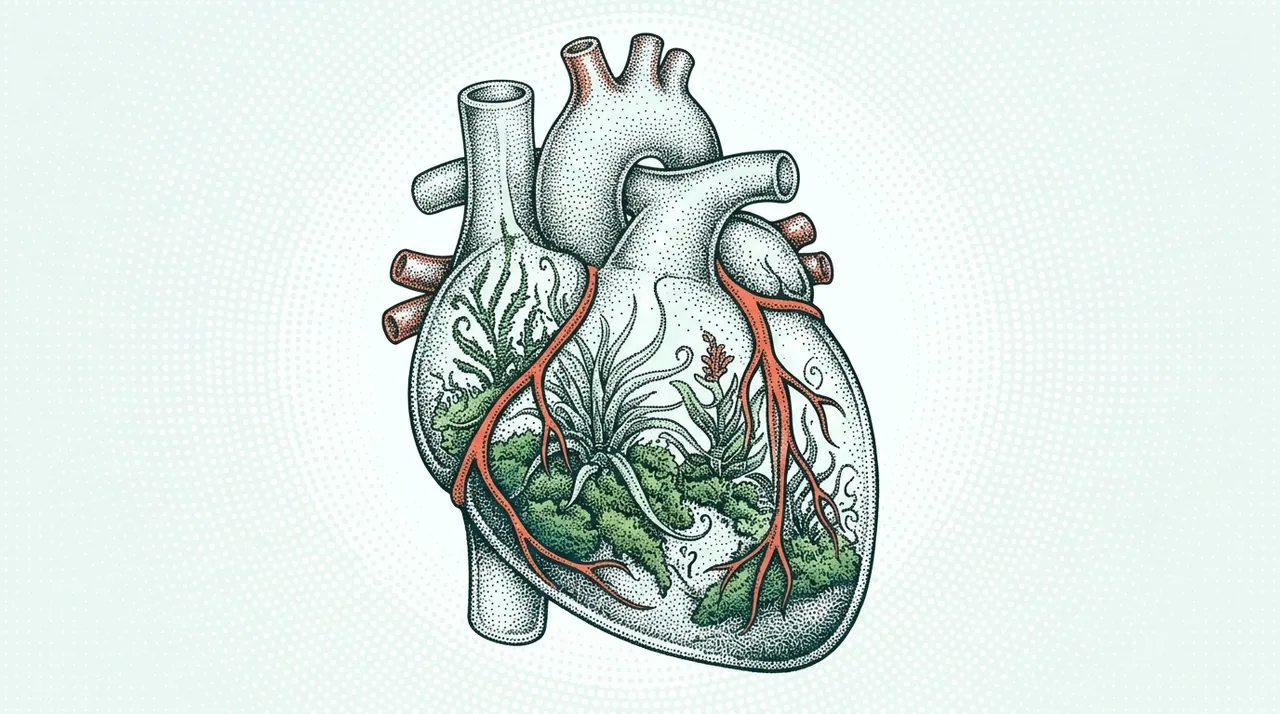
Cardiovascular disease remains one of the leading causes of mortality worldwide, with risk factors ranging from genetic predisposition to lifestyle choices. In recent years, scientific investigation has revealed an unexpected player in cardiovascular health: the gut microbiome. The trillions of microorganisms residing in the human gastrointestinal tract exert profound influences on metabolic processes, immune function, and systemic inflammation, all of which directly impact heart health. Understanding the relationship between microbial composition and cardiovascular disease risk represents a significant frontier in preventive medicine and personalized health assessment.
Scientific Background
The human gut microbiota comprises approximately 100 trillion microorganisms, predominantly bacteria, which perform essential metabolic and immunological functions. These microbial communities engage in anaerobic metabolism in the colon environment, producing metabolites that influence systemic health. One critical pathway involves the metabolism of dietary compounds into bioactive substances that circulate throughout the body. The composition and functional capacity of the microbiota can vary significantly between individuals, influenced by diet, medications, genetics, and environmental factors. This heterogeneity in microbial composition creates differential risks for various disease states, including cardiovascular conditions.
Recent metagenomic and metabolomic studies have identified specific microbial taxa and their metabolic byproducts as correlates of cardiovascular risk. The mechanisms linking microbiota composition to heart disease involve multiple interconnected pathways, including lipid metabolism, production of short-chain fatty acids, generation of pro-inflammatory metabolites, and modulation of the intestinal barrier function. These findings have prompted intensive research into how microbiota-derived compounds influence vascular function, blood pressure regulation, and atherosclerosis development.
Microbial Metabolites and Cardiovascular Function
Among the most extensively studied microbiota-derived metabolites are short-chain fatty acids, particularly butyrate, propionate, and acetate. These compounds result from bacterial fermentation of dietary fiber and resistant starch. Butyrate, in particular, demonstrates anti-inflammatory properties and supports intestinal barrier integrity. A compromised intestinal barrier allows bacterial lipopolysaccharides and other microbial products to translocate into systemic circulation, triggering chronic inflammation associated with atherosclerosis and other cardiovascular pathologies.
Another significant metabolite is trimethylamine N-oxide, or TMAO, produced from the microbial metabolism of dietary compounds including choline and L-carnitine. Elevated TMAO levels have been associated with increased cardiovascular risk in multiple prospective cohort studies. Additionally, tryptophan metabolism by gut microorganisms generates aryl hydrocarbon receptor ligands and other tryptophan metabolites that modulate intestinal barrier function and immune tolerance. Dysbiosis, characterized by reduced microbial diversity and altered functional capacity, correlates with diminished production of these protective metabolites.
The microbial influence on lipid metabolism extends beyond TMAO production. Certain bacterial taxa facilitate bile acid deconjugation and secondary bile acid formation, processes that influence cholesterol homeostasis and glucose metabolism. Dysbiotic microbiota demonstrate reduced capacity for these metabolic transformations, potentially contributing to dyslipidemia and metabolic dysfunction observed in cardiovascular disease patients.
Dysbiosis, Inflammation, and Atherosclerosis Development
Dysbiosis, defined as aberrant changes in microbial community structure and function, represents a significant risk factor for cardiovascular disease. Dysbiotic microbiota typically demonstrate reduced alpha diversity, decreased abundance of beneficial bacteria such as Faecalibacterium prausnitzii, and increased representation of pathogenic taxa. This altered composition correlates with elevated systemic inflammation markers including C-reactive protein, interleukin-6, and tumor necrosis factor-alpha.
The inflammatory response triggered by dysbiosis involves both innate and adaptive immune mechanisms. Pathogenic bacteria and their structural components stimulate toll-like receptors on intestinal epithelial cells and immune cells, initiating inflammatory cascades. Similar to observations in the microbiome in inflammatory arthritis conditions, dysbiosis-associated inflammation in cardiovascular disease involves molecular mimicry and cross-reactive immune responses. Chronic systemic inflammation promotes endothelial dysfunction, vascular smooth muscle proliferation, and oxidative stress, all hallmark features of atherosclerosis pathogenesis.
Furthermore, microbiota stability and resistance to perturbations influence long-term cardiovascular risk. Microbiota with reduced resilience demonstrate greater susceptibility to dysbiotic shifts following antibiotic exposure, dietary changes, or acute illness. Individuals with unstable microbiota may experience recurrent inflammatory episodes, perpetuating cardiovascular disease progression.
Clinical Implications and Future Directions
The emerging understanding of microbiota-cardiovascular connections has generated interest in microbiome analysis as a complementary assessment tool for cardiovascular risk stratification. Microbiota composition analysis may identify individuals at elevated risk prior to clinical manifestation of disease. Dietary interventions promoting microbial diversity and favorable metabolite production represent potential therapeutic approaches, though individual responses vary considerably based on baseline microbiota composition and genetic factors.
Future research directions include longitudinal studies tracking microbiota changes in relation to cardiovascular outcomes, investigation of specific bacterial taxa as biomarkers, and mechanistic studies elucidating causality rather than association. Personalized microbiome-guided interventions tailored to individual dysbiotic patterns may optimize cardiovascular risk reduction strategies.
The microbiome represents a modifiable factor influencing cardiovascular disease risk, distinct from genetic and traditional lifestyle factors. Comprehensive understanding of these complex interactions promises to enhance preventive cardiology and enable more targeted, individualized health management approaches.
This article is for general information and does not replace professional advice, diagnosis or treatment.