Microbial Lipid Production and Host Metabolism
By Gut Flora Atlas Editorial team · Updated
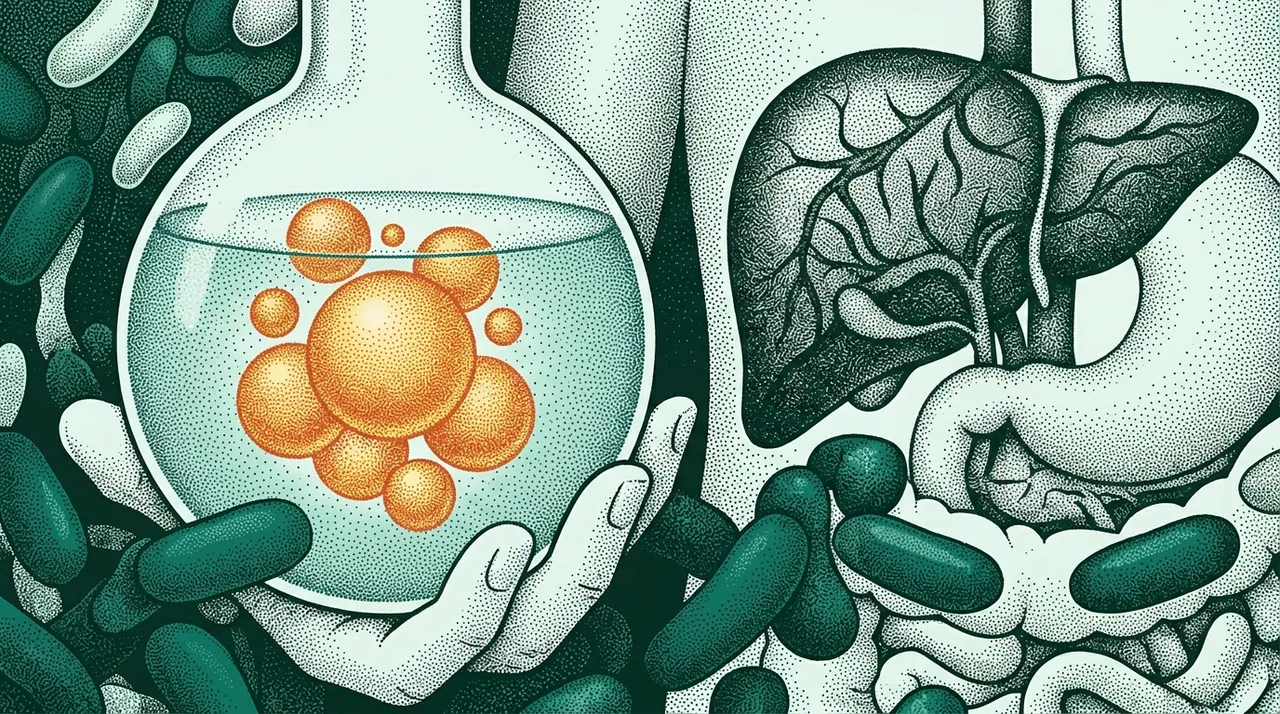
The gut microbiome produces a diverse array of bioactive lipids that exert profound effects on host metabolic processes. These microbial lipids, synthesized by bacterial communities within the intestinal tract, represent a critical intersection between microbial metabolism and human physiology. Understanding the mechanisms by which bacterial lipid production influences host metabolism provides insight into how microbiota composition directly affects energy harvest, nutrient absorption, and systemic metabolic homeostasis. This relationship extends beyond simple nutrient processing, encompassing immune signaling, barrier function, and metabolic disease development.
Bacterial Lipid Synthesis and Metabolic Pathways
Gut bacteria synthesize lipids through multiple biosynthetic pathways that differ substantially from host lipogenesis. Bacterial lipids include phospholipids, lipopolysaccharides (LPS), and various short and medium-chain fatty acids derived from fermentation of dietary carbohydrates and amino acids. The composition of these lipids is influenced by bacterial species present, dietary substrate availability, and intestinal environmental conditions including pH and oxygen tension.
Gram-negative bacteria, which comprise a significant portion of the human microbiota, produce lipopolysaccharides as structural components of their outer membranes. These molecules serve as microbial-associated molecular patterns (MAMPs) and interact with host pattern recognition receptors, triggering immune responses and metabolic signaling cascades. The quantity and composition of LPS in the intestinal lumen correlates with microbiota diversity and metabolic status. Dysbiosis characterized by reduced microbial diversity can lead to altered LPS profiles, contributing to conditions associated with The Microbiome and Metabolic Endotoxemia Mechanisms.
Short-chain fatty acids (SCFAs), particularly butyrate, propionate, and acetate, represent another critical category of microbial lipid metabolites. These compounds result from bacterial fermentation of dietary fiber and resistant starch. Butyrate serves as the primary energy substrate for colonocytes and influences intestinal barrier integrity through histone deacetylase inhibition, affecting tight junction protein expression. The production of SCFAs depends on bacterial enzymatic capacity and dietary carbohydrate availability, making microbiota composition and diet interdependent factors in host metabolic regulation.
Overview
Microbial lipids and lipid-related metabolites covered here
| Group | Where it comes from | Host interaction described | Why it matters |
|---|---|---|---|
| Lipopolysaccharides (LPS) | outer membrane of Gram-negative bacteria | recognized by host pattern recognition receptors | translocation across a weakened barrier is linked to metabolic endotoxemia |
| Butyrate | bacterial fermentation of dietary fiber and resistant starch | main energy source for colonocytes; histone deacetylase inhibition | supports tight junctions and barrier integrity |
| Propionate and acetate | fermentation of carbohydrates and amino acids | absorbed and used in host metabolism | output depends on diet and bacterial enzyme capacity |
| Secondary bile acids | bacterial deconjugation and conversion of host bile acids | signaling via the farnesoid X receptor (FXR) | affect lipid solubilization, glucose and lipid metabolism |
Host Metabolic Integration of Microbial Lipids
Microbial lipids influence host metabolism through multiple mechanisms operating at local intestinal and systemic levels. Short-chain fatty acids together are estimated to supply roughly 5 to 10 percent of the host’s daily energy requirements; butyrate in particular serves as the main fuel for colonocytes while also modulating intestinal permeability. This contribution diminishes during periods of dietary fiber restriction, when butyrate-producing bacterial populations may decline.
Microbially modified bile acids also modulate host lipid metabolism through the farnesoid X receptor (FXR) and the G protein-coupled bile acid receptor 1 (GPBAR1, also known as TGR5). These receptors, expressed on intestinal epithelial cells and immune cells, respond to microbial metabolites and regulate bile acid metabolism, glucose homeostasis, and lipid absorption. Alterations in microbial lipid production patterns associate with dysregulated bile acid deconjugation and secondary bile acid formation, affecting both lipid solubilization and host metabolic signaling.
The relationship between microbial lipid production and systemic inflammation represents another critical dimension of host-microbiota metabolic crosstalk. Microbial lipopolysaccharides translocating across a compromised intestinal barrier contribute to metabolic endotoxemia, characterized by elevated circulating LPS concentrations. This phenomenon links microbiota composition to systemic inflammation and metabolic dysfunction. Additionally, Microbial Metabolic Byproducts and Systemic Effects extend beyond lipids to encompass other bacterial metabolites that collectively influence host energy expenditure, glucose metabolism, and lipogenesis.
Microbial lipids also interact with intestinal immune development and tolerance mechanisms. Commensal-derived lipids participate in shaping regulatory T cell populations and intestinal immune homeostasis. This immunomodulatory function connects microbiota lipid metabolism to broader health outcomes, including susceptibility to metabolic and autoimmune conditions. The role of microbial signaling in immune tolerance is explored further in discussions of The Microbiome's Role in Oral Tolerance Development.
Scientific Background
Research into microbial lipid production employs lipidomic profiling techniques including mass spectrometry-based approaches and gas chromatography to characterize bacterial lipid composition. Studies utilizing germ-free animal models colonized with defined bacterial consortia demonstrate causal relationships between specific bacterial lipid production and host metabolic phenotypes. Metagenomic and metatranscriptomic analyses reveal how dietary interventions and microbiota diversity modifications alter bacterial lipogenic gene expression and lipid metabolite concentrations. Mechanistic studies employ cell culture systems with purified bacterial lipids and intestinal epithelial or immune cells to elucidate receptor-mediated signaling pathways. These methodologies collectively establish that microbial lipid production represents a dynamic, diet-responsive process fundamentally integrated with host metabolism.
Microbial lipid production represents a dynamic metabolic interface between the gut microbiota and host physiology. The lipids synthesized by bacterial communities exert effects on energy harvest, immune function, and metabolic homeostasis through multiple interconnected pathways. Recognition of this relationship emphasizes the importance of maintaining microbiota composition and metabolic capacity for overall metabolic health. Future research continues to clarify how specific bacterial taxa and their lipogenic capabilities contribute to individual variation in metabolic phenotypes and disease susceptibility.
This article is for general information and does not replace professional advice, diagnosis or treatment.