The Microbiome and Metabolic Endotoxemia Mechanisms
Metabolic endotoxemia describes low, chronic levels of bacterial LPS in the blood. How it may arise, how it is measured and what the human evidence shows.
By Gut Flora Atlas Editorial team · Updated
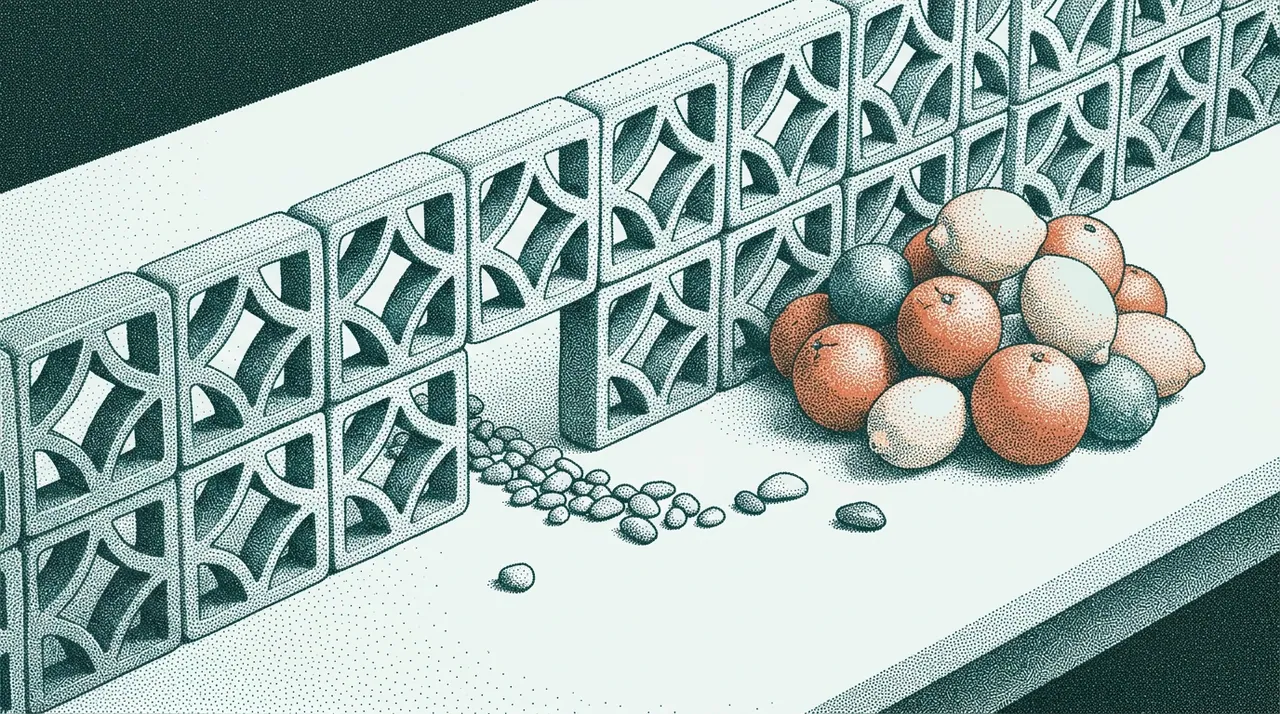
Metabolic endotoxemia is a term for a modest, chronic rise in bacterial endotoxin in the bloodstream. Endotoxin here mainly means lipopolysaccharide (LPS), a component of the outer membrane of Gram-negative bacteria, many of which live in the gut. The concentrations involved are far lower than in sepsis, where large amounts of LPS trigger a severe systemic reaction.
The concept became prominent through animal research suggesting that low-level LPS exposure could contribute to the chronic, low-grade inflammation seen in obesity and insulin resistance. Since then, it has become a popular explanation linking the gut microbiome to metabolic disease. The underlying biology is plausible, but the human evidence is more complicated than many summaries suggest.
What LPS is and how the body detects it
LPS consists of a lipid portion (lipid A), a core sugar region and, in many bacteria, a long polysaccharide chain. Lipid A is the part responsible for most of the immune-stimulating activity. The host recognises LPS mainly through a receptor complex built around Toll-like receptor 4 (TLR4), with help from proteins such as LPS-binding protein (LBP) and CD14.
When this pathway is activated, immune cells release inflammatory signalling molecules. In tissues such as fat, liver and muscle, persistent low-level activation of these pathways can interfere with insulin signalling in experimental settings. Importantly, LPS from different bacterial species varies in structure, and some forms are much weaker activators of TLR4 than others. Total LPS amount alone therefore does not determine its biological effect.
Proposed routes from gut to blood
Researchers have described several ways in which LPS from the gut might reach the circulation:
- Increased paracellular permeability: If tight junctions between intestinal cells are loosened, small amounts of LPS may pass between cells.
- Transport with dietary fat: LPS can be incorporated into chylomicrons, the particles that carry absorbed fat from the intestine via the lymph into the blood. This is one reason high-fat meals are studied in this context.
- Changes in microbial composition: Shifts in the microbiota may change the amount or type of LPS present in the gut.
- Reduced clearance: The liver normally removes much of the LPS arriving through the portal vein; impaired clearance could raise systemic levels.
What animal studies showed
A frequently cited study in mice, published in the journal Diabetes, reported that a high-fat diet increased circulating LPS and that continuous low-dose LPS infusion produced metabolic changes resembling those caused by the diet, including weight gain and insulin resistance. Mice lacking CD14 were partly protected. Later work in animal models linked diet, microbiota changes, gut barrier function and inflammation in similar ways.
These findings established a mechanistic model, but mouse studies use controlled diets, defined genetics and measurement conditions that differ greatly from human life.
The human evidence and its limits
In humans, observational studies have reported higher LPS-related markers in people with obesity, type 2 diabetes or fatty liver disease than in comparison groups, and some studies found transient rises after high-fat meals. However, results are inconsistent, and several methodological problems complicate interpretation.
| Marker | What it reflects | Main limitations |
|---|---|---|
| LPS (LAL assay) | endotoxin activity in plasma | interference from blood components, contamination, poor comparability between labs |
| LPS-binding protein (LBP) | host response to LPS exposure | also an acute-phase protein, rises with general inflammation |
| Soluble CD14 | monocyte activation | not specific to LPS |
| Anti-LPS antibodies | longer-term exposure | limited standardisation |
The most widely used assay, based on Limulus amebocyte lysate (LAL), was developed for detecting endotoxin in water and medical products, not in plasma. Blood contains substances that can enhance or inhibit the reaction, and contamination during sampling is a constant risk. Surrogate markers such as LBP are not specific. Reviews of the field have therefore questioned how reliably metabolic endotoxemia can be measured in people and whether it is a cause, a consequence or simply a correlate of metabolic disease.
How to interpret claims about endotoxemia
The concept is a reasonable hypothesis supported by experimental data and associations in humans. It is not an established clinical diagnosis, and there is no validated routine test for it. Claims that a specific product, supplement or stool test can detect or resolve "endotoxemia" go beyond the evidence. Diet patterns rich in fibre and limited in highly processed foods are recommended by health authorities for metabolic health on independent grounds.
Frequently asked questions
Is metabolic endotoxemia the same as sepsis?
No. Sepsis is an acute, life-threatening condition involving a dysregulated response to infection. Metabolic endotoxemia refers to much lower, chronic endotoxin levels and remains a research concept.
Can a stool microbiome test show whether endotoxemia is present?
No. Stool composition does not reliably indicate how much LPS reaches the blood, and no stool test is validated for this purpose.
Does a high-fat meal cause inflammation?
Some studies found short-term rises in endotoxin-related markers after high-fat meals, but the size and relevance of these changes vary, and their long-term health significance is unclear.
Sources
- Cani PD et al.: Metabolic endotoxemia initiates obesity and insulin resistance. Diabetes
- Boutagy NE et al.: Metabolic endotoxemia with obesity: is it real and is it relevant? Biochimie
- Tilg H, Zmora N, Adolph TE, Elinav E: The intestinal microbiota fuelling metabolic inflammation. Nature Reviews Immunology
Evidence guide
Which source answers which question?
Endotoxemia research combines several kinds of evidence. Each answers a different question, and none replaces the others.
| Source | Useful for | Cannot tell you on its own |
|---|---|---|
| Sequencing of a stool sample | which microbes are present and in what relative proportions | whether bacterial products are reaching the bloodstream |
| Questionnaires | diet, medication, lifestyle and history at the time of sampling | objective measurements |
| Symptom tracking | patterns over time and possible triggers | the cause of a symptom |
| Routine laboratory work | clinical markers interpreted by a clinician | the composition of the gut microbiota |
| Published studies | associations, mechanisms or guidance, depending on design | what applies to one individual |
This article is for general information and does not replace professional advice, diagnosis or treatment.