The Role of Mucus Layer in Microbiota Ecology
By Gut Flora Atlas Editorial team
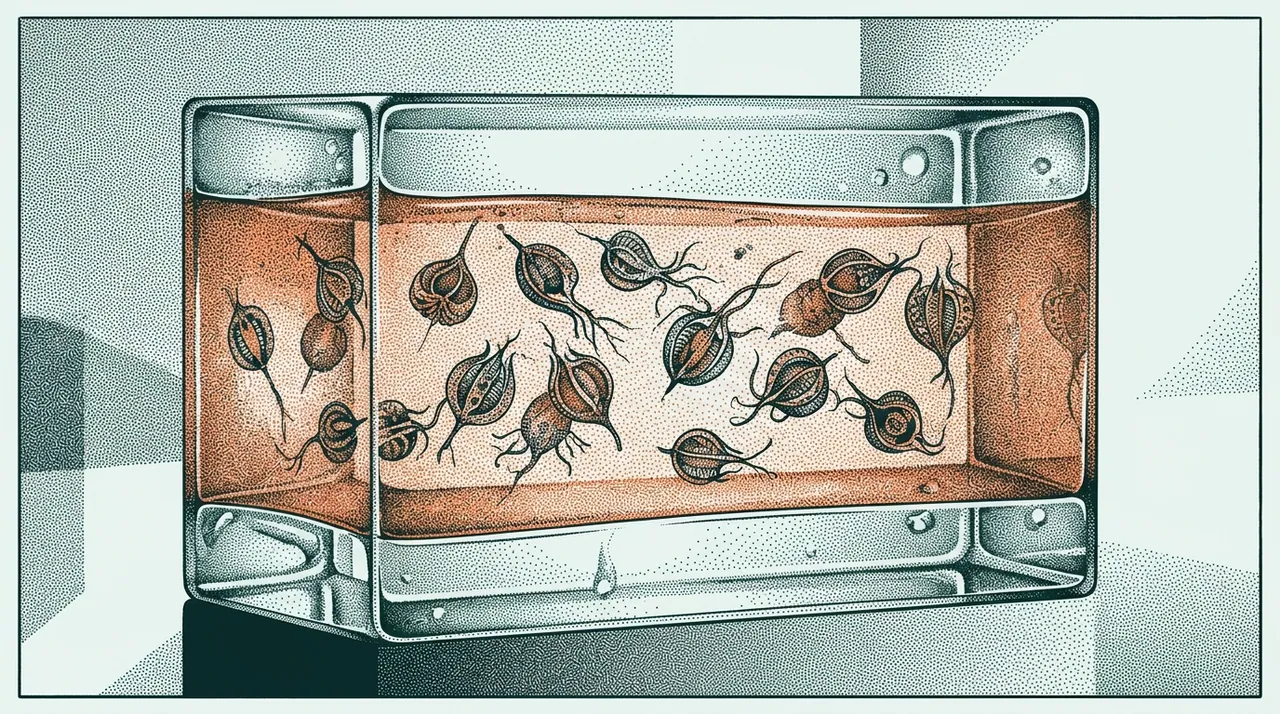
The mucus layer lining the gastrointestinal tract represents far more than a simple protective barrier. This dynamic structure functions as a critical ecological niche that fundamentally shapes the composition, organization, and metabolic activity of the gut microbiota. Understanding the mucus layer's role in microbiota ecology reveals how this interface between host and microbes influences overall microbial community structure and function. Recent research demonstrates that the mucus layer actively participates in microbial ecology through nutrient provision, spatial organization, and selective pressure on bacterial populations.
Scientific Background
The intestinal mucus layer is primarily composed of mucins, which are large glycoproteins secreted by goblet cells throughout the gastrointestinal tract. The major structural mucin in the colon is MUC2, which forms a gel-like matrix through polymerization and cross-linking. This matrix creates a stratified structure with distinct zones: an inner mucus layer tightly adherent to the epithelium, and an outer mucus layer that is more loosely associated and readily colonized by bacteria. The thickness of this mucus layer varies along the gastrointestinal tract, ranging from approximately 50 micrometers in the small intestine to over 800 micrometers in the colon.
The mucus layer contains numerous antimicrobial components, including lysozyme, lactoferrin, and immunoglobulins, particularly IgA. These factors create a selective environment that influences which bacterial species can thrive within and adjacent to the mucus. Additionally, the mucus matrix is rich in glycans, complex carbohydrates attached to mucin proteins. These glycans serve as primary nutritional substrates for specific bacterial populations, creating a specialized ecological niche distinct from the bulk luminal environment. The composition and abundance of these glycans can vary between individuals and change in response to dietary patterns and host physiological state.
Mucus Layer as an Ecological Niche
The mucus layer functions as a distinct microhabitat within the larger gut ecosystem. Bacterial communities residing within or immediately adjacent to the mucus layer differ significantly from those in the fecal stream. This spatial separation creates different selective pressures and nutrient availability profiles. Mucus-associated bacteria often possess specialized enzymatic capabilities for degrading complex glycans, a process known as mucin utilization. Bacteria such as Akkermansia muciniphila have evolved specific mechanisms to access and metabolize mucin-derived carbohydrates, establishing themselves as key mucus-layer residents.
The mucus layer provides a relatively stable microenvironment compared to the more turbulent luminal space. This stability allows for the establishment of complex microbial communities with intricate metabolic interdependencies. The reduced oxygen gradient within the mucus layer supports both aerobic and anaerobic bacterial metabolism, creating microenvironments suitable for diverse metabolic strategies. Understanding these spatial dynamics is important for comprehending how microbial communities maintain stability and respond to perturbations, which has implications for conditions ranging from The Microbiome and Cardiovascular Disease Risk to various gastrointestinal disorders.
Nutrient Cycling and Metabolic Cross-Feeding
The mucus layer initiates complex nutrient cycling networks that extend throughout the microbial community. Mucin glycans represent a primary energy source, but their utilization generates metabolic intermediates that become available to secondary consumers. This creates cascading metabolic pathways where primary mucin degraders produce short-chain fatty acids, hydrogen, and other metabolites that support growth of secondary bacterial populations. Such metabolic interdependencies stabilize the community structure and influence overall ecosystem function.
The production of short-chain fatty acids, particularly butyrate, through Anaerobic Metabolism in the Colon Environment is particularly important. These metabolites influence host physiology and provide feedback regulation on bacterial populations. The mucus layer's role in hosting these metabolic processes means that alterations in mucus composition or thickness can substantially reshape community function. Furthermore, specific bacterial taxa produce metabolites like tryptophan derivatives that influence host physiology and potentially affect conditions such as Microbiota Alterations in Depression and Anxiety.
Variations in mucus layer structure and composition represent an important source of microbiota heterogeneity across populations. Research examining Microbial Diversity in Hunter-Gatherer Populations reveals how dietary patterns influence mucin glycan composition and consequently mucus-associated bacterial communities. These observations underscore the ecological importance of the mucus layer in determining microbiota composition.
Conclusion
The mucus layer functions as far more than a passive barrier, actively shaping microbiota ecology through nutrient provision, spatial organization, and selective pressure. This dynamic interface creates specialized ecological niches that support distinct bacterial communities engaged in complex metabolic interactions. The composition and structure of the mucus layer directly influence microbial community assembly and function, with implications for understanding how microbiota changes relate to health and disease states. Continued research into mucus layer ecology will enhance our understanding of microbiota stability, resilience, and responsiveness to environmental and dietary changes.
This article is for general information and does not replace professional advice, diagnosis or treatment.